You can master solver mechanics, memorize preflop charts, and construct perfectly balanced postflop ranges.
However, if you sit down at the tables operating on five hours of fragmented sleep, driven by high cortisol, and fueled by a poor diet, your technical knowledge becomes practically useless.
Many cash game players treat their physical health as entirely separate from their poker performance. They view exercise, sleep, and nutrition as personal lifestyle choices rather than core operational dependencies.
This is a fundamental misunderstanding of human biology.
Your brain is a physical, metabolic organ. It relies on cardiorespiratory health for blood flow, deep restorative sleep for memory consolidation and emotional control, and low systemic inflammation for sustained working memory.
If your physical ecosystem is broken, your on-table decision-making will break down under pressure.
Sleep as the Ultimate Win-Rate Multiplier
Sleep deprivation is the single fastest way to destroy your strategic edge in 6-max cash games.
When you play poker in a sleep-deprived state, specific cognitive faculties degrade rapidly:
- Risk-Assessment Errors: Sleep deprivation impairs the prefrontal cortex, leading to heightened impulsivity, higher risk tolerance, and poor risk-reward evaluation.
- Degraded Pattern Recognition: Your ability to quickly interpret opponent sizing tells, board dynamics, and HUD stats slows down significantly.
- Reduced Tilt Resistance: Lack of sleep elevates baseline cortisol, making you far more susceptible to anger, frustration, and emotional tilt after a single bad beat.
A single night of 5-hour sleep reduces your cognitive performance to a level comparable to mild alcohol intoxication. Playing high-stakes poker in that state is a guaranteed way to bleed EV.
Physical Fitness and Cognitive Endurance
Sitting in an ergonomic chair for 3 to 6 hours during high-intensity sessions puts immense stress on your cardiovascular system, lower back, and posture.
Without regular physical exercise, your body develops physical fatigue that bleeds into mental exhaustion:
Cardiovascular Conditioning
Aerobic exercise increases brain-derived neurotrophic factor (BDNF), stimulates neuroplasticity, and enhances blood flow to the brain. Higher cardiovascular fitness translates directly into longer, sharper focus during late-session play blocks.
Resistance Training & Posture
Strengthening your core, back, and shoulders prevents physical pain from sitting during multi-table grinding. Physical discomfort acts as a constant, subconscious distraction that drains your working memory away from table analysis.
📥 Elevate Your 6-Max Cash Game Strategy
Enjoying this chapter breakdown? Join 1,000+ cash game players receiving weekly postflop solver analyses, exploitative heuristics, and mental performance protocols directly in their inbox.
Managing Off-Table Cortisol
Poker naturally generates high levels of acute stress. Facing large river bets, suffering cold cards, or navigating multi-buy-in downswings triggers your body's "fight-or-flight" sympathetic nervous system response.
If your off-table life is also filled with high stress, poor sleep, and chaos, your baseline cortisol level remains permanently elevated.
When baseline stress is high, minor on-table setbacks immediately push you past your emotional threshold. You lose your composure, make impulse calls, and burn money simply because your nervous system is already overloaded.
Building an off-table ecosystem of stress management - through daily walks, physical recovery, structured routines, and healthy personal boundaries - creates a psychological buffer that keeps you calm, logical, and composed during intense session downswings.
The 3 Pillars of the Elite Off-Table Ecosystem
To optimize your physical body for maximum on-table win-rate execution, implement these three non-negotiable habits:
1. Consistent Sleep Windows
Go to sleep and wake up within the same 60-minute window every single day. Prioritize 7.5 to 9 hours of uninterrupted sleep before attempting to play high-stakes sessions.
2. Daily Movement Non-Negotiable
Incorporate at least 30 minutes of moderate aerobic exercise or resistance training daily. Treat physical exercise as mandatory pre-work preparation rather than an optional leisure activity.
3. The Screen-Free Wind-Down Routine
Discontinue looking at poker tracking software, solvers, or mobile screens at least 60 minutes before bedtime. Allow your sympathetic nervous system to down-regulate so you can enter deep, restorative sleep cycles.
The Actionable Shift: The "Physical Readiness Check"
Before logging into your poker client for your next session, perform a 10-second Physical Readiness Check:
Score yourself from 1 to 5 on three metrics:
- Sleep Quality (Did I get 7+ hours of uninterrupted sleep?)
- Physical Energy (Am I alert and free of physical fatigue or pain?)
- Emotional Balance (Am I calm and unburdened by outside stress?)
If your combined score is below 10, do not play a full high-stakes session.
Either reduce your table count, move down in stakes for a lighter execution block, or pivot your time entirely to off-table solver study. Protecting your capital when your physical ecosystem is compromised is one of the highest-EV decisions you can make.
Ready to Turn Strategy into EV at the Tables?
Optimizing your physical ecosystem ensures you bring peak cognitive energy to every hand you deal. Combining high-performance lifestyle habits with a dominant, solver-backed framework is how you achieve sustainable mastery in 6-max cash games.
If you are ready to stop guessing postflop, master simplified GTO heuristics, and crush real-world opponents, step into the full Cash Game Hero Blueprint 2.0.
- 40+ Hours of Step-by-Step Video Modules
- Custom Solver Ranges & Exploit HUD 2.0 Setup
- Comprehensive Mental Game Protocols & Live Hand Analysis
About the Author
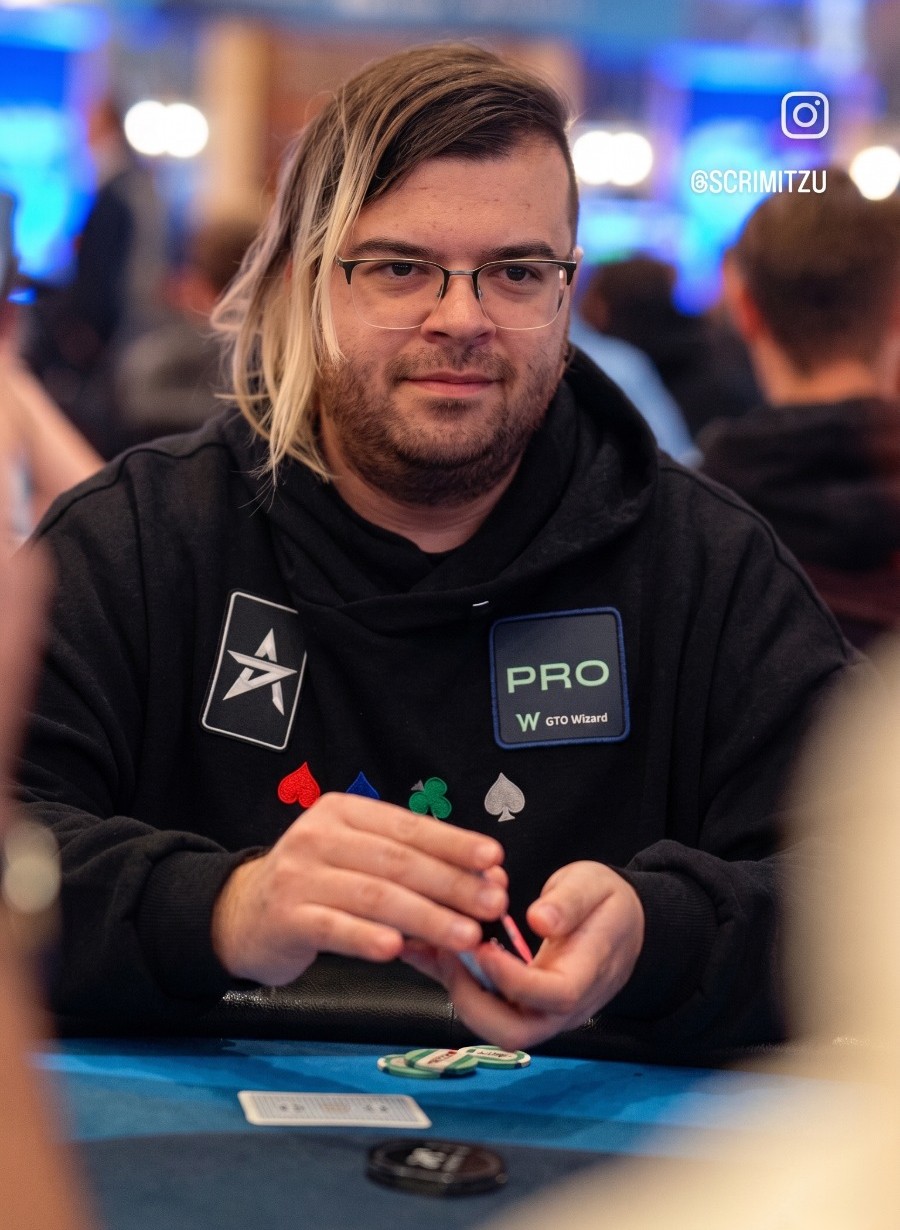
Scrimitzu is a professional poker player and coach with 17 years of experience and more than 10 million online hands played. He has coached over 500 players worldwide and is an official GTO Wizard coach and ACR Poker Team Online member.