The strategy that printed money in 6-max cash games three years ago will barely break even today.
Poker is not a static game with a single solved puzzle that stays fixed forever. It is an evolving ecosystem driven by technology, solver accessibility, and shifting population trends - commonly known as the Metagame (or "Meta").
When a new strategic concept becomes popular - whether through solver software, video courses, or viral hand breakdowns - the player pool reacts:
- In the early solver era, players learned to small-c-bet 100% of range on dry board textures.
- As a counter-adjustment, competent regulars learned to check-raise flops aggressively to punish those wide, weak c-bets.
- In response, players adjusted again by tightening their flop c-betting ranges and checking back more medium-strength hands to protect their checking range.
If your strategy is a rigid "set-and-forget" routine, you will eventually get left behind by these meta cycles. To maintain an elite win rate across different stakes and environments, you must construct a Flexible Strategy.
The Trap of Static Dogmatism
The most dangerous assumption a cash game regular can make is assuming that what works today will work indefinitely.
When players find a heuristic that yields high win rates over a 50,000-hand sample, they tend to lock it in as an unchangeable law. They stop monitoring population tendencies and start executing their playbook on autopilot.
This dogmatic approach fails for two reasons:
1. Macro Shifts (Pool Trends)
As solver tools become cheaper and training platforms proliferate, average player skill rises. Tendencies that were rampant in the population two years ago - such as over-folding to 3-bets or under-bluffing river check-raises - gradually shift as players adopt modern preflop and postflop defaults.
2. Micro Shifts (Table & Stake Dynamics)
The meta at 50NL online is vastly different from the meta at 500NL online or a live $5/$10 cash game. A line that prints EV against a passive 50NL recreational pool can be a massive money-loser against an aggressive 500NL regular pool.
A rigid player tries to force the same system onto every game. A flexible player analyzes the specific environment first, then deploys the exact counter-strategy required for that micro-climate.
The Hybrid Model: Anchored Baseline, Dynamic Adjustments
Building a flexible strategy does not mean playing random, chaotic poker. It means utilizing a Hybrid Strategy Framework built on three distinct layers:
- Step 1: GTO Anchor (Defensive Baseline): Your solid theoretical foundation built on range construction, equity realization, and balanced betting frequencies. This prevents you from giving away free EV when playing in unknown or tough lineups.
- Step 2: Environmental Analysis (HUD / Pool / Metagame): Your real-time observation engine. You constantly gather data on how the specific pool, table, or opponent strays from theoretical balance.
- Step 3: Exploitative Deviation (Dynamic Line Execution): Deviating aggressively from your baseline anchor to execute maximum-EV counter-lines against identified leaks.
If the pool meta shifts back toward baseline balance, you smoothly contract your exploits back toward your GTO anchor without losing your footing.
📥 Elevate Your 6-Max Cash Game Strategy
Enjoying this chapter breakdown? Join 1,000+ cash game players receiving weekly postflop solver analyses, exploitative heuristics, and mental performance protocols directly in their inbox.
How to Spot and Capitalize on Meta Shifts
To keep your strategy flexible and ahead of the field, track these three indicators:
1. The Trend Over-Correction
Whenever a strategic trend sweeps through the player pool, regulars usually execute it poorly and over-correct.
Example: When overbetting became popular, regulars began overbetting rivers indiscriminately without considering blocker effects. The flexible adjustment? Expand your bluff-catching range with unblocking hands, turning their improperly balanced overbets into massive profit sources for you.
2. Tracking Pool Statistics Monthly
Use database tracking tools (Hand2Note, PokerTracker, Holdem Manager) to run monthly reports on population statistics across your main stake. Track key metrics:
- Flop C-Bet %
- Fold to Turn Probe %
- River Check-Raise Frequency
If you notice the pool's "Fold to Turn Probe" dropping from 55% to 42% over six months, your flexible response is to instantly reduce your turn probe bluffs and expand your turn probe value bets.
3. Monitoring Stake-Specific Metas
When taking a shot at a higher stake, do not assume the player pool reacts like your base stake. Spend the first few sessions observing timing tells, 3-bet frequencies, and sizing patterns before locking in your primary postflop heuristics.
The Actionable Shift: The Monthly Pool Audit
On the first day of every month, conduct a 30-minute Pool Meta Audit:
- Open your tracking software database for your primary stake.
- Filter for the entire population sample over the last 30 to 90 days.
- Identify the top two areas where the pool deviates most heavily from theoretical balance.
- Adjust your default postflop heuristics for those two specific nodes for the upcoming month.
By actively auditing the pool meta rather than reacting passively after a downswing, you maintain a continuous edge over regulars who rely on outdated default playbooks.
Ready to Turn Strategy into EV at the Tables?
Constructing a flexible strategy ensures your win rate adapts seamlessly to any market shift. Combining strategic agility with a dominant, solver-backed framework is how you maintain long-term dominance in 6-max cash games.
If you are ready to stop guessing postflop, master simplified GTO heuristics, and crush real-world opponents, step into the full Cash Game Hero Blueprint 2.0.
- 40+ Hours of Step-by-Step Video Modules
- Custom Solver Ranges & Exploit HUD 2.0 Setup
- Comprehensive Mental Game Protocols & Live Hand Analysis
About the Author
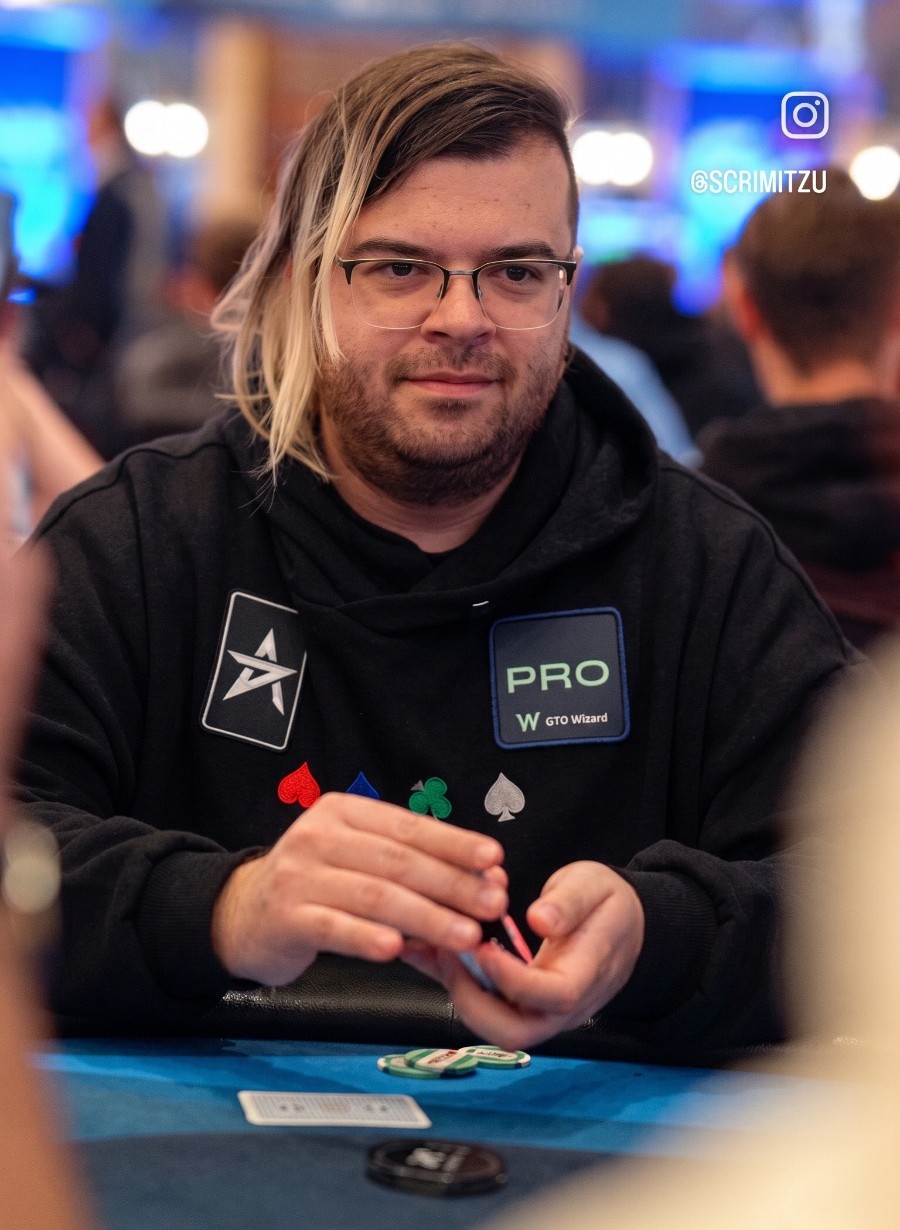
Scrimitzu is a professional poker player and coach with 17 years of experience and more than 10 million online hands played. He has coached over 500 players worldwide and is an official GTO Wizard coach and ACR Poker Team Online member.