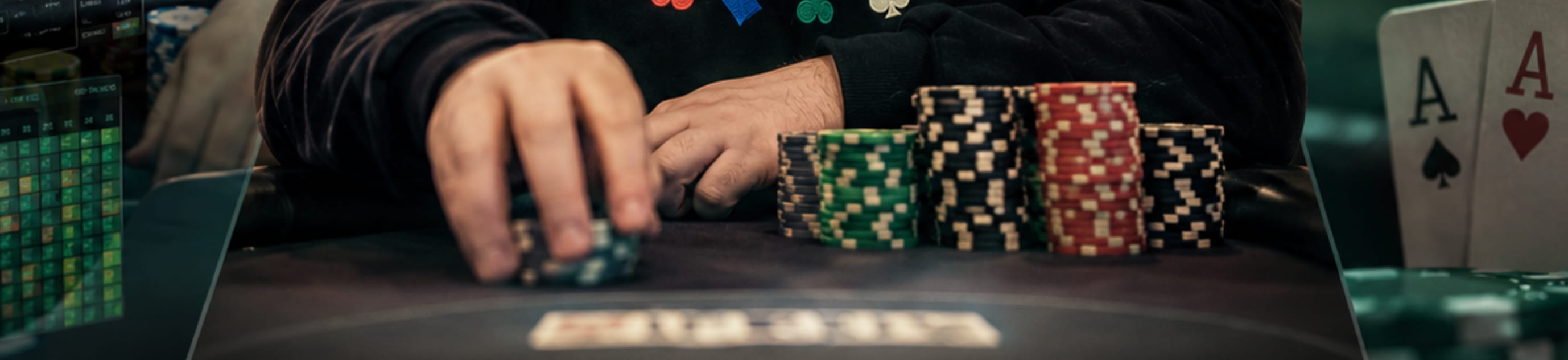
Modern poker study is heavily dominated by Game Theory Optimal (GTO) solver outputs.
While solver study is essential for understanding baseline mechanics and range equilibrium, it has created a widespread mental handicap among mid-stakes cash game players: Theoretical Dogmatism.
Many regulars become terrified of deviating from standard, solver-approved lines. They check back hands because "the solver mixes here," or they stick strictly to standard 33% and 75% pot sizings because they are afraid of making a play that looks unorthodox or "bad" to their peers.
This fear creates a artificial cap on your win rate.
Solvers compute strategies against an opponent playing flawless counter-adjustments. Real-world humans in 6-max cash games do not play flawless counter-adjustments. They hold massive population biases:
- They over-fold against large river overbets.
- They call far too wide against small, non-threatening sizings.
- They under-bluff specific postflop lines like delayed turn c-bets and river check-raises.
To extract maximum expected value (EV), you need The Courage to Exploit. You must be willing to abandon theoretical baseline balance and execute unconventional lines and aggressive sizings whenever opponent leaks present themselves.
GTO as a Shield vs. Exploits as a Sword
Understanding the distinct roles of GTO and exploitative play is critical for high-stakes success:
GTO Strategy (The Shield)
Game Theory Optimal play is your defensive baseline. You use GTO mechanics when playing against unknown opponents, highly competent regulars who actively balance their ranges, or when you lack reliable database notes. GTO protects you from being exploited.
Exploitative Strategy (The Sword)
Exploitative play is your primary profit driver. When an opponent strays from theoretical balance, GTO play is no longer the highest-EV option. The highest-EV play is an asymmetric counter-strategy designed to attack their specific flaw.
If an opponent folds 70% of the time to river overbets, betting a balanced GTO range is leaving money on the table. The mathematically correct, maximum-EV play is to bluff them relentlessly with 150% to 200% pot overbets until they adjust.
Overcoming the "Fear of Looking Stupid"
Why don't more players execute massive exploitative deviations?
The answer is rarely technical ignorance; it is Ego and Peer Pressure.
When you execute an unconventional exploit, you step outside the safe umbrella of "standard play":
- If you overbet 2.5x pot on a river bluff and get called by a hero-caller, you look crazy to the rest of the table.
- If you make an ultra-thin 15% pot value bet on the river and get check-raised, you look foolish.
The amateur player prioritizes looking competent over maximizing EV. They would rather make a "standard" check back that loses $50 quietly than execute a 200% pot bluff that risks $300 and looks unorthodox if called.
An elite crusher does not care about looking foolish. They care about long-term dollar execution. If a non-standard 15% pot bet prints +0.8 EV-bb compared to a check, they make the bet every single time without hesitation.
📥 Elevate Your 6-Max Cash Game Strategy
Enjoying this chapter breakdown? Join 1,000+ cash game players receiving weekly postflop solver analyses, exploitative heuristics, and mental performance protocols directly in their inbox.
3 High-EV Unconventional Lines to Add to Your Game
1. The Geometric Triple-Barrel Overbet
When an opponent capped their range by flatting preflop and calling medium flop/turn bets on a static board, standard sizing (75% pot) allows them to call comfortably with medium pairs.
Executing a 150% to 200% pot river overbet exerts maximum pressure on their capped range, forcing folds from strong holdings that simply cannot stomach the risk.
2. The Probe "Nudge" Bet
Against passive opponents who check back weak pairs or missed draws on the turn, a traditional 66% pot probe bet often forces them to fold the exact weak hands you want calls from.
Using a non-standard 20%–25% pot sizing triggers their curiosity, inducing wide calls with Ace-high or bottom pair while risking almost nothing when they hold a rare slowplay.
3. The Pure Node Lock Fold
When a passive, under-bluffing opponent check-raises the river on a dry board, solver models might suggest calling with top pair due to pot odds and blockers.
Courageous exploitative play means ignoring solver call frequencies entirely and making an "ugly," disciplined fold. When a population node contains zero real bluffs, folding top pair is a massive EV win.
The Actionable Shift: The Node-Lock Mental Exercise
During your next study session, open a solver (GTO Wizard or PioSolver) and practice Node Locking:
- Select a common postflop spot (e.g., BTN vs BB Single Raised Pot on a wet turn).
- Manually adjust the opponent's strategy to reflect real human leaks (e.g., lock their turn check-raise frequency to 2% instead of 8%).
- Observe how the solver drastically alters its optimal response.
Notice how the solver immediately stops calling marginal bluff-catchers and starts executing radical, high-EV adjustments.
By seeing that math actively demands unconventional play against flawed human opponents, you build the logical confidence needed to pull the trigger at the live tables.
Ready to Turn Strategy into EV at the Tables?
Developing the courage to exploit converts theoretical knowledge into maximum table profit. Pairing that aggressive mindset with a dominant, solver-backed framework is how you systematically outclass 6-max cash game lineups.
If you are ready to stop guessing postflop, master simplified GTO heuristics, and crush real-world opponents, step into the full Cash Game Hero Blueprint 2.0.
- 40+ Hours of Step-by-Step Video Modules
- Custom Solver Ranges & Exploit HUD 2.0 Setup
- Comprehensive Mental Game Protocols & Live Hand Analysis
About the Author
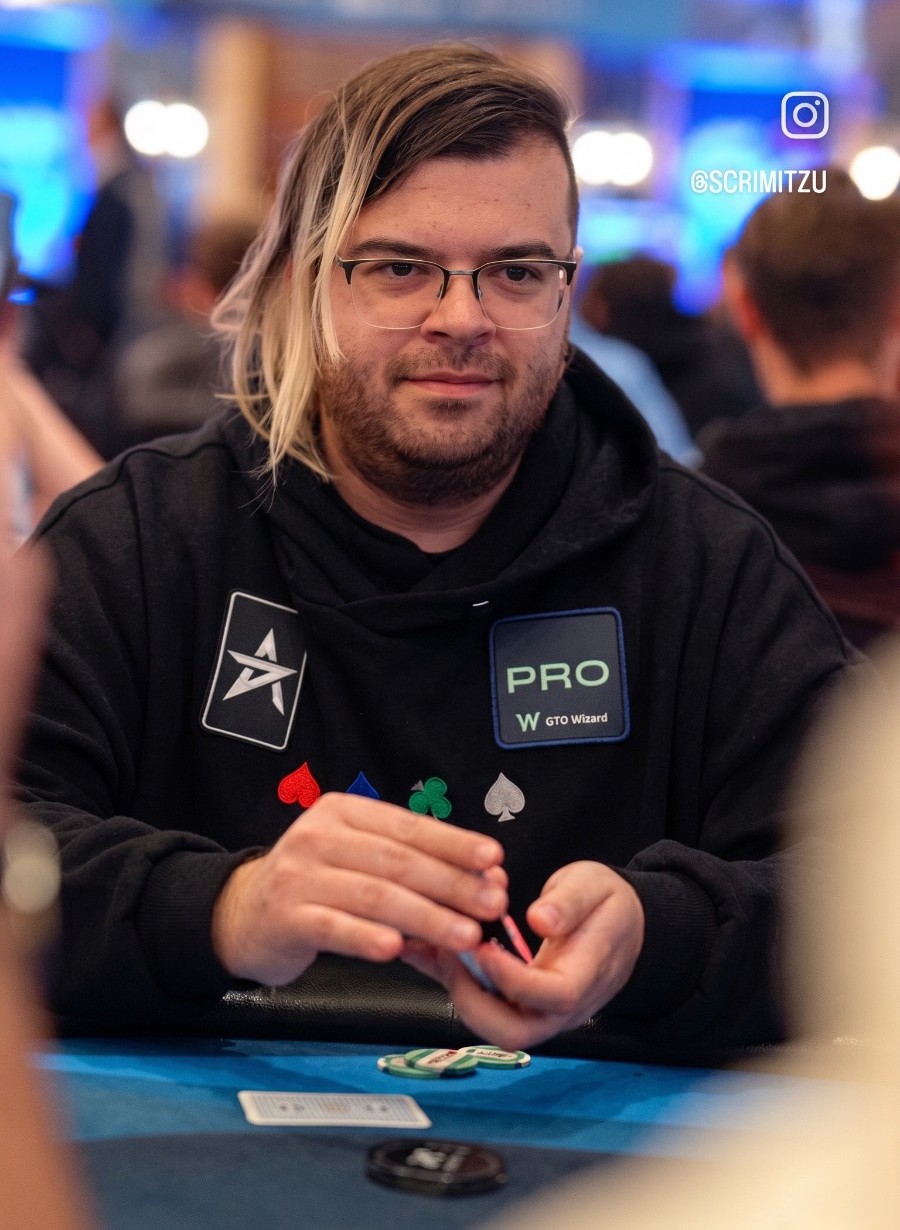
Scrimitzu is a professional poker player and coach with 17 years of experience and more than 10 million online hands played. He has coached over 500 players worldwide and is an official GTO Wizard coach and ACR Poker Team Online member.